How Often Should Truck Scales Be Calibrated? A Compliance Guide
Exactly how often should truck scales be calibrated to maintain compliance and protect your profits? Understanding what is weighbridge calibration and the legal requirements surrounding it is critical for any B2B facility manager. If you are unsure how to calibrate a truck scale or when to schedule maintenance, you risk massive financial losses from inaccurate weighing data. This comprehensive compliance guide explains calibration frequencies, standard procedures, and how Spire’s automated systems help monitor scale health.
What is Weighbridge Calibration and Why Does It Matter?
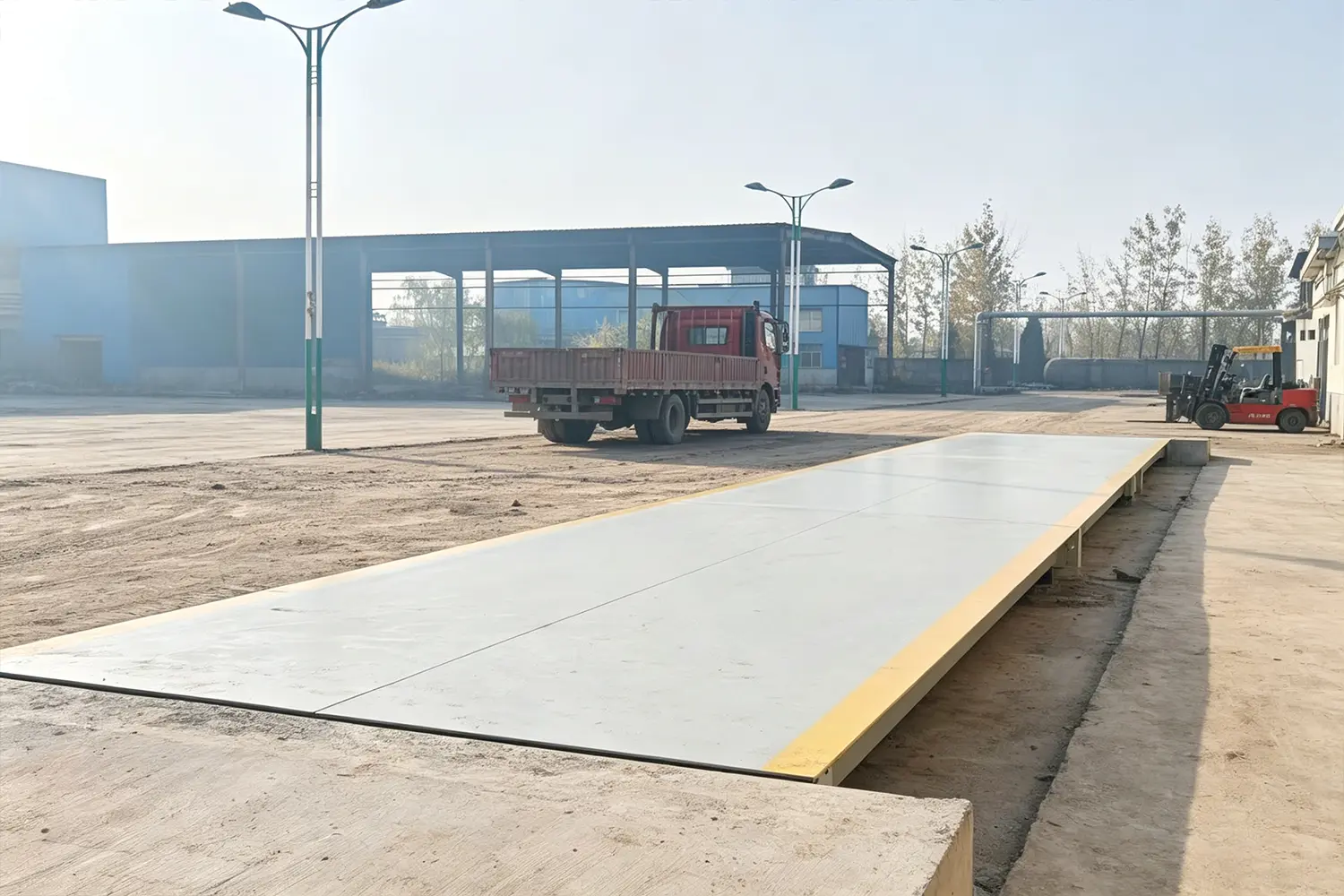
For procurement and operations directors, the accuracy of the weighbridge is directly tied to the company’s bottom line. So, what is weighbridge calibration? It is the highly regulated process of testing and adjusting the scale’s load cells and digital indicator to ensure the displayed weight perfectly matches a certified known mass.
The Financial Impact of Scale Drift
The primary pain point here is “scale drift.” Over time, heavy impacts, temperature fluctuations, and debris buildup cause load cells to lose their precision. If a 80-ton scale drifts by just 0.1%, you could be giving away 80 kg of free product with every single truck. For a facility processing 100 trucks a day, this “itch” translates to catastrophic financial hemorrhaging over a fiscal year.
How Often Should Truck Scales Be Calibrated?
The most common question is: how often should truck scales be calibrated? The answer depends on your local legal regulations and your facility’s traffic volume. As a general industry standard, commercial truck scales should be calibrated at least once every 12 months to maintain their “legal-for-trade” certification.
Legal Requirements and High-Volume Usage
However, if your facility operates 24/7, processes hundreds of trucks daily, or operates in harsh environments (like mining or waste management), annual calibration is not enough. High-volume sites should schedule professional calibration every 3 to 6 months. Waiting for a state inspector to fail your scale will result in hefty fines and forced operational downtime.
How to Calibrate a Truck Scale: The Standard Process
Understanding how to calibrate a truck scale helps managers schedule downtime effectively. The process requires a certified scale technician and a heavy-duty test truck loaded with NIST-traceable (or local equivalent) cast-iron test weights. The technician places these weights on various sections of the scale deck to test for “corner errors” and linearity. They then adjust the junction box or the digital indicator software until the scale reads perfectly.
Enhancing Reliability with Spire’s Smart Systems
The “sweet point” for modern facilities is moving from reactive maintenance to proactive monitoring. While Spire’s Automated Unattended Weighing System (AVS) does not replace the legal need for physical calibration, it drastically improves reliability between service visits.
Real-Time Diagnostics via IPC
Spire’s system utilizes an Industrial PC (IPC) and high-precision digital load cells. The AVS software continuously monitors the millivolt output of each individual sensor. If a specific load cell begins to drift or fail, the system immediately alerts your maintenance team. Furthermore, Spire’s photoelectric sensors prevent trucks from braking harshly on the edges of the scale, reducing the mechanical shock that causes calibration drift in the first place. Protect your accuracy and compliance by upgrading to Spire today.
Request a Quote / Get Expert Assistance
Have questions about our heavy-duty truck scales or industrial weighing solutions? Fill out the form below to get a direct response from our engineering team.