Pit vs. Pitless Weighbridges: What is the Purpose of a Pit Weighbridge?
Choosing between pit vs. pitless weighbridges? You might ask, what is the purpose of a pit weighbridge? Whether you need a standard or what is the purpose of a single module pit weighbridge, this guide compares space requirements, maintenance, and how to integrate automated weighing systems.
What is the Purpose of a Pit Weighbridge?
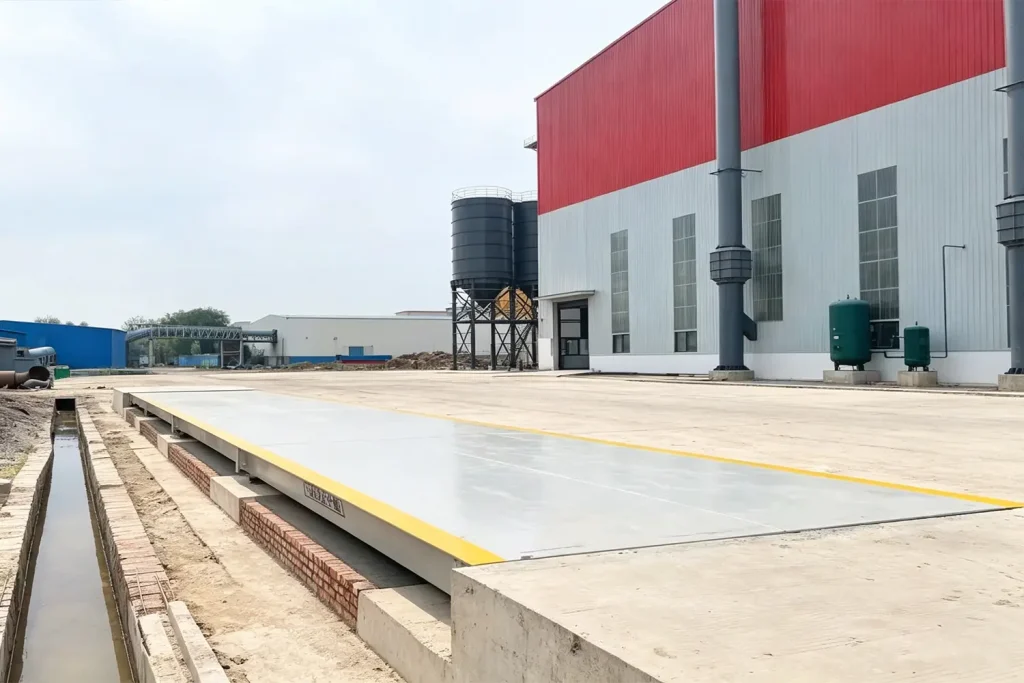
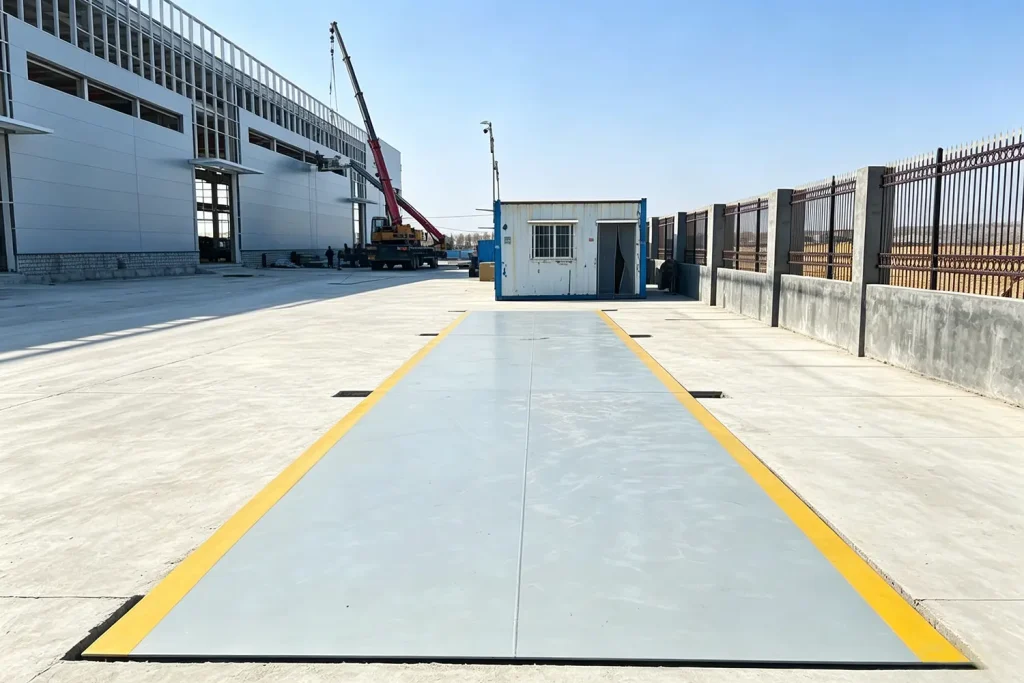
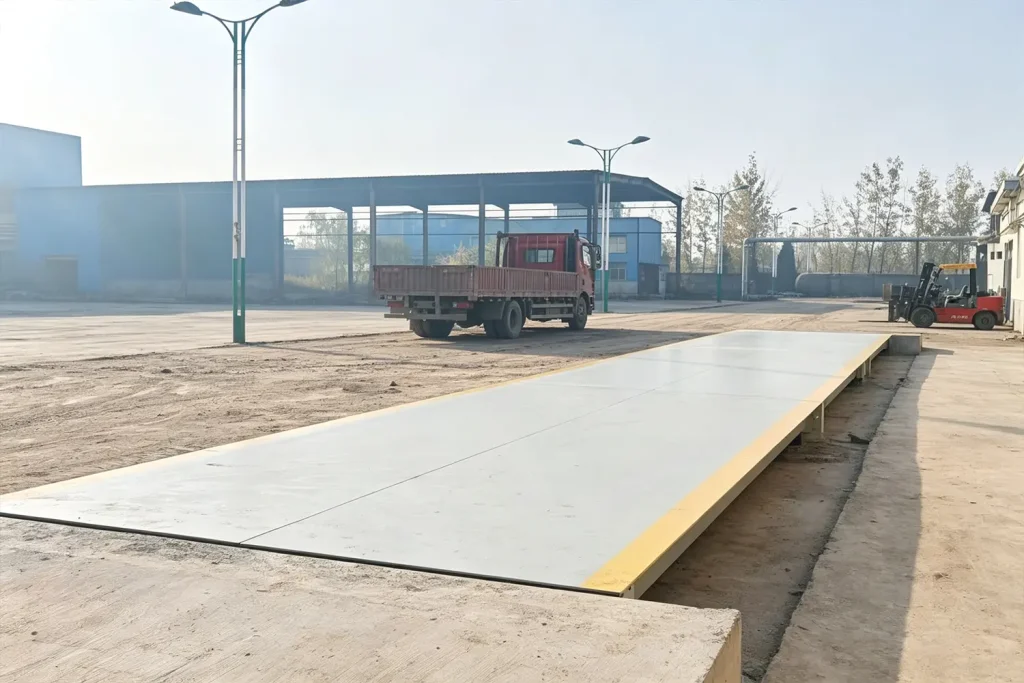
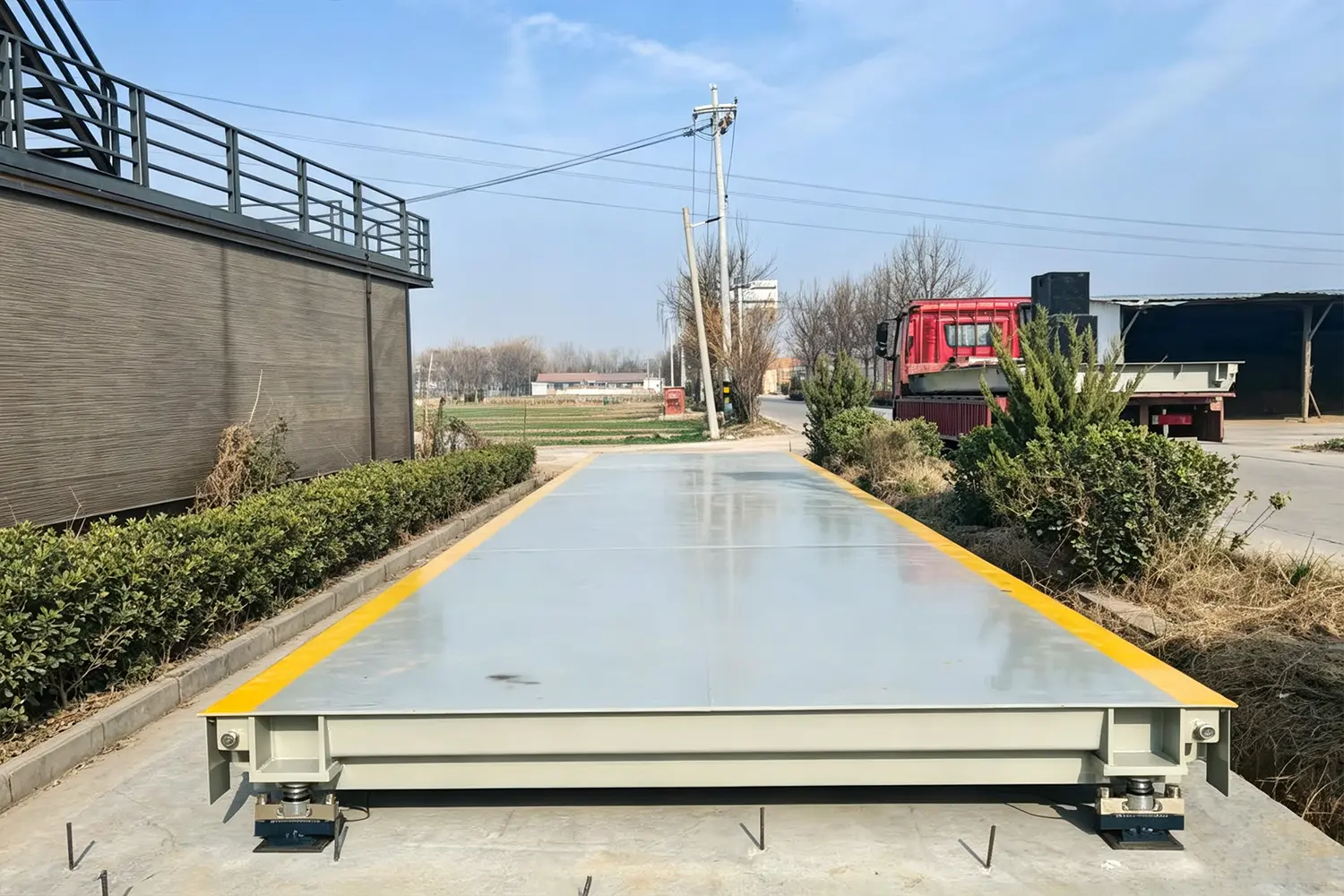
When designing a logistics yard, space is often the most critical constraint. The primary pain point for facility planners is accommodating 20-meter-long trucks without causing traffic jams. So, what is the purpose of a pit weighbridge? It is designed to sit completely flush with the surrounding ground level, eliminating the need for approach ramps.
Space Constraints and Traffic Flow
Because it requires no ramps, a pit weighbridge saves a significant amount of linear space. Trucks can drive onto the scale, be weighed, and turn immediately upon exiting. This makes it ideal for urban facilities, indoor weighing stations, or sites with extremely tight turning radiuses. It also reduces the risk of trucks accidentally driving off the side of an elevated deck.
What is the Purpose of a Single Module Pit Weighbridge?
For smaller operations or specific axle-weighing needs, you might wonder what is the purpose of a single module pit weighbridge. These are shorter, compact units designed for weighing smaller vehicles (like delivery vans or waste trucks) or for checking individual axle weights. They offer the same space-saving benefits but at a lower civil engineering cost.
The Challenges of Pit Weighbridges
While pit scales save space, they introduce a major “itch” for maintenance teams: water and debris accumulation. Because the scale sits in a concrete vault, it acts as a natural collection point for rain, mud, and snow. If the drainage system fails, the load cells can become submerged, leading to catastrophic hardware failure and inaccurate readings.
Drainage and Maintenance Requirements
Installing a pit weighbridge requires a robust, active drainage system, often including sump pumps. Furthermore, maintenance technicians must physically enter the confined space of the pit to clean debris and service the load cells, which requires strict safety protocols and increases maintenance time.
Enhancing Your Chosen Design with Spire Automation
Whether you choose a pit or pitless design, the ultimate “sweet point” is achieving maximum throughput with zero manual intervention. Spire’s Unattended Weighing System adapts perfectly to both configurations, ensuring your traffic flow is safe and efficient.
Traffic Lights and Boom Barrier Integration
For pit scales where trucks might approach from multiple angles, Spire’s Traffic Indicator Lights and Standard Boom Barriers are essential. Integrated with vehicle detectors (radar), the system strictly controls when a truck can enter the flush deck. Combined with our photoelectric anti-fraud sensors, Spire guarantees that every vehicle is positioned perfectly, regardless of your scale’s foundation type. Contact us to design the perfect automated layout for your site.
Request a Quote / Get Expert Assistance
Have questions about our heavy-duty truck scales or industrial weighing solutions? Fill out the form below to get a direct response from our engineering team.