How Are Old Truck Ground Scales Built? And How to Upgrade Them
Wondering how are old truck ground scales built and whether they can handle modern logistics? Many facilities struggle with outdated mechanical or early electronic systems that cause severe bottlenecks. If you are researching how to construct a weighbridge or looking to modernize your existing infrastructure, understanding the limitations of legacy systems is crucial. This guide explains the construction of older scales and reveals how to upgrade them with Spire’s automated unattended weighing systems to eliminate fraud and reduce labor costs.
The Anatomy of Legacy Weighing Systems
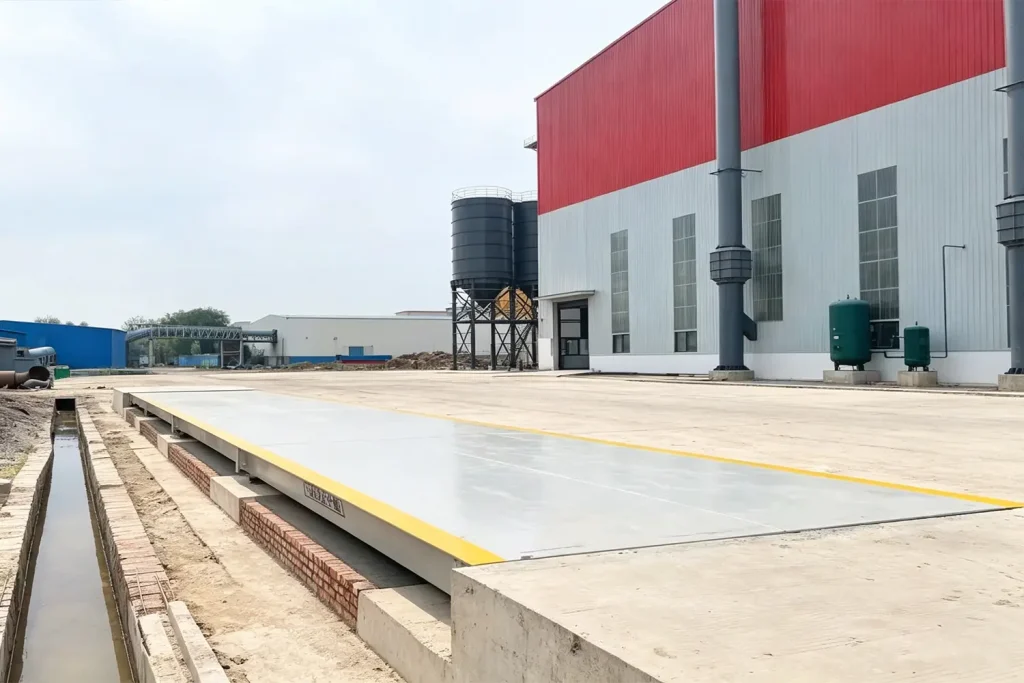
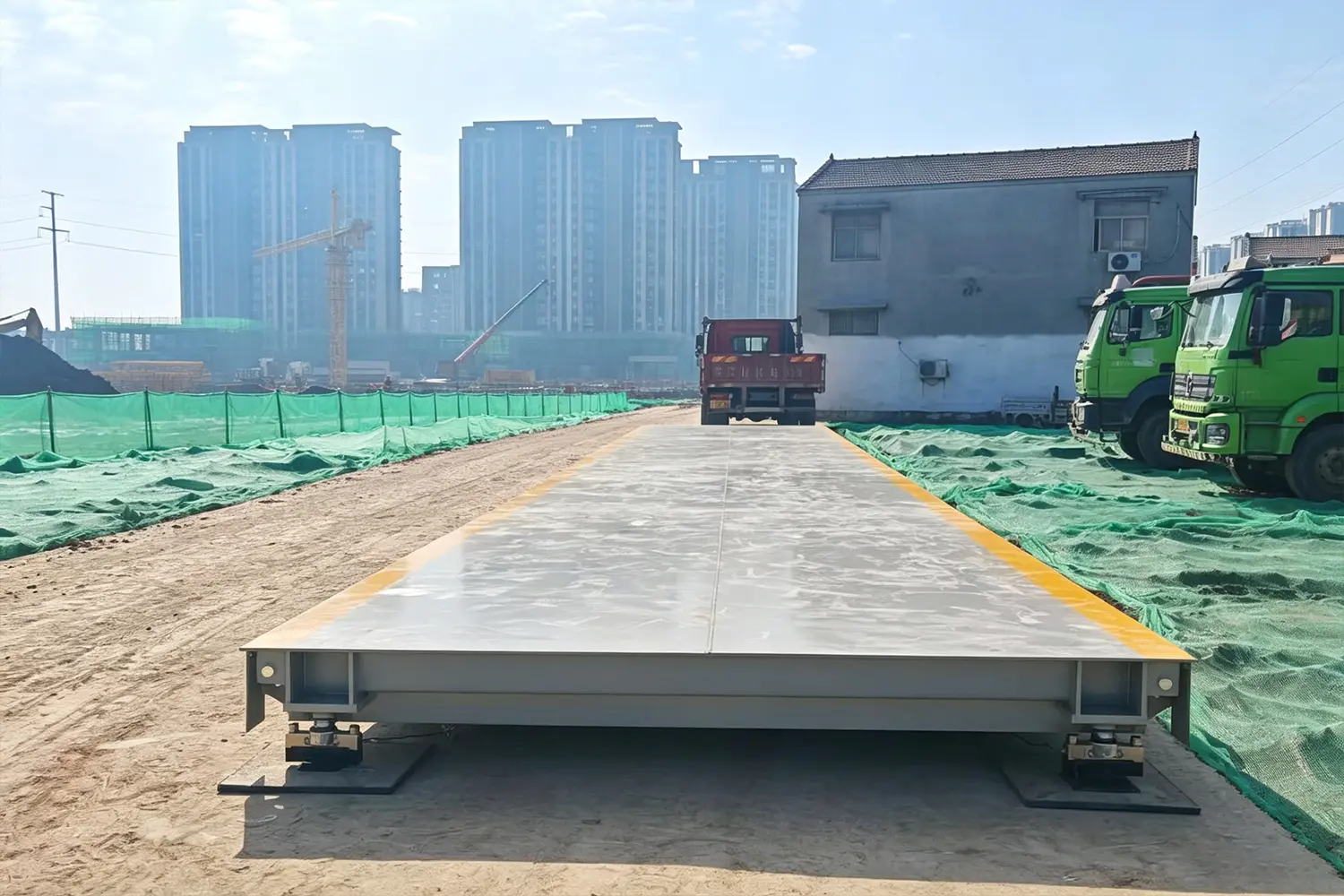
For procurement and facility managers, dealing with aging infrastructure is a massive pain point. To understand the root of the problem, you must first ask: how are old truck ground scales built? Decades ago, weighbridges were constructed using complex mechanical lever systems. These levers transferred the weight of the truck to a mechanical dial or a single, early-generation analog load cell. The foundations were typically deep concrete pits designed to house this bulky mechanical hardware.
Mechanical Levers and Early Analog Load Cells
While these mechanical systems were marvels of their time, they are highly susceptible to wear and tear. The “itch” for maintenance teams is the constant need to clean the pit, lubricate moving parts, and recalibrate the analog sensors. Moisture, rust, and debris accumulation in the pit directly impact the accuracy of the mechanical levers, leading to inconsistent weighing data and lost revenue.
The Pain Points of Operating Old Ground Scales
Beyond the mechanical failures, old ground scales require manual operation. A weighbridge clerk must sit in a scale house, manually record weights, and direct traffic. This outdated workflow creates severe traffic bottlenecks during peak hours. Furthermore, these legacy systems lack any form of anti-fraud protection. Without cameras or sensors, drivers can easily manipulate their positioning on the scale to alter the gross weight, costing your facility thousands of dollars annually.
How to Construct a Weighbridge Upgrade with Spire
The “sweet point” for B2B buyers is realizing that you don’t always have to rip out the entire concrete foundation to modernize your operations. When planning how to construct a weighbridge upgrade, Spire offers a seamless retrofit solution that transforms your old scale into a state-of-the-art digital asset.
Retrofitting with Digital Load Cells and IPC
The first step in the upgrade is replacing the mechanical levers and analog sensors with high-precision digital load cells. These are then connected to Spire’s Industrial PC (IPC). The IPC acts as the secure brain of the operation, processing digital weight data with zero signal degradation and pushing it directly to your ERP system.
Implementing Unattended Automation (AVS)
To truly modernize the facility, Spire integrates its Automated Weighing System (AVS). We add network waterproof cameras for License Plate Recognition (LPR), photoelectric sensors to prevent positioning fraud, and standard boom barriers for traffic control. By upgrading your old ground scale with Spire’s AVS, you eliminate manual labor, secure your data, and drastically increase vehicle throughput. Contact Spire today to discuss your weighbridge modernization project.
Request a Quote / Get Expert Assistance
Have questions about our heavy-duty truck scales or industrial weighing solutions? Fill out the form below to get a direct response from our engineering team.