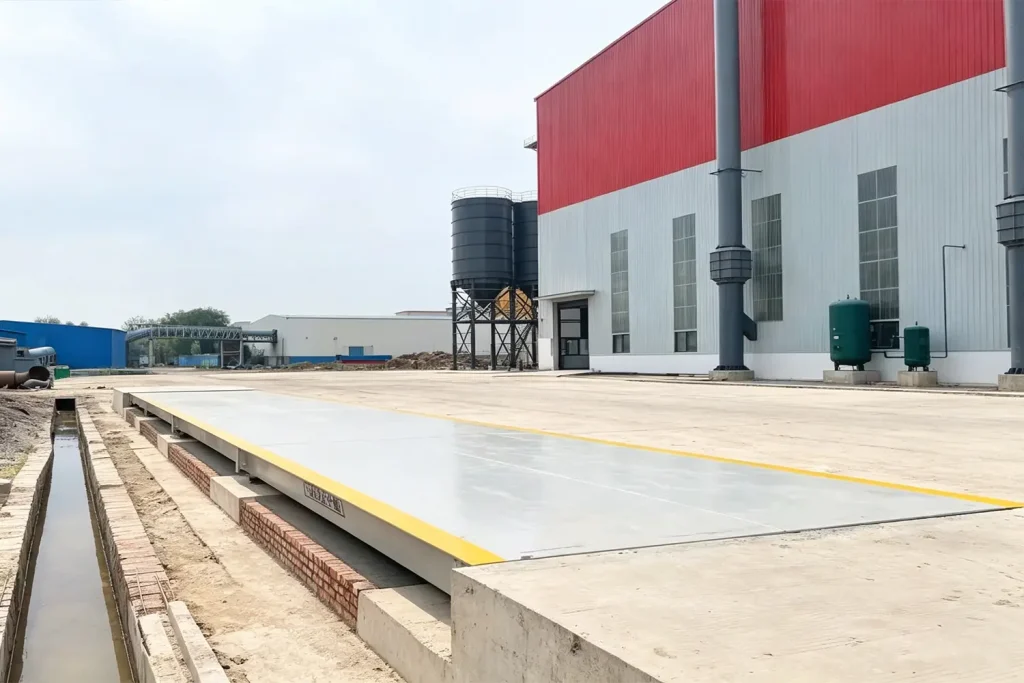
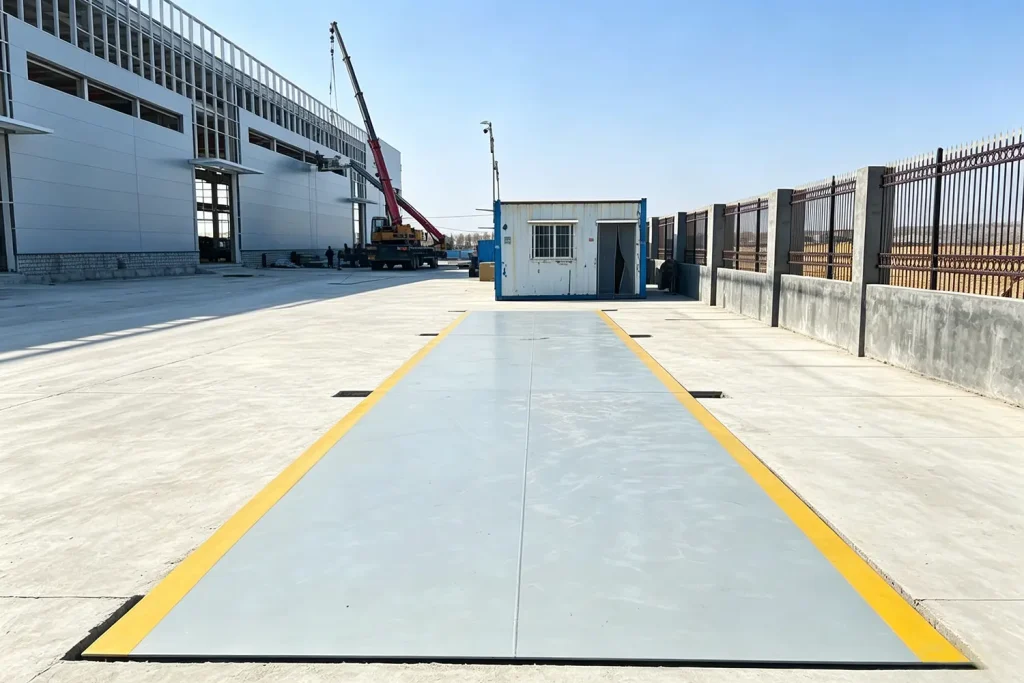
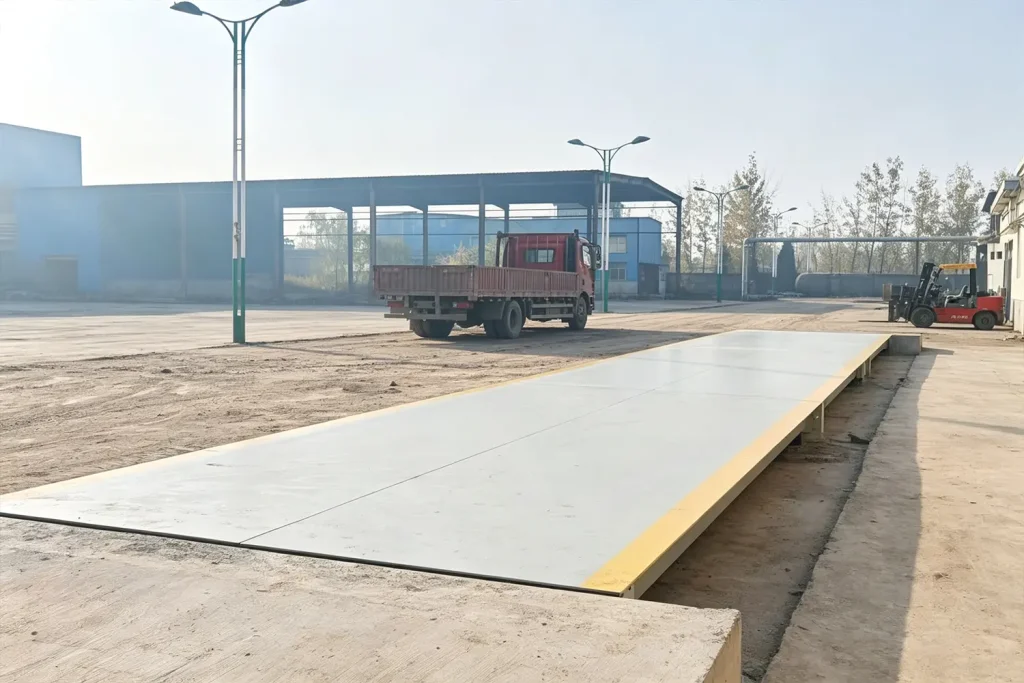
Are Truck Scales Accurate? How Modern Weighbridges Ensure Precision
For corporate supply chain directors, logistics managers, and facility compliance officers, accuracy is the non-negotiable metric when investing in heavy industrial weighing infrastructure. Inaccurate weight measurements translate directly into severe financial exposure—ranging from regulatory overloading fines and rejected commercial shipments to unmonitored raw material inventory discrepancies across high-volume weighing operations.
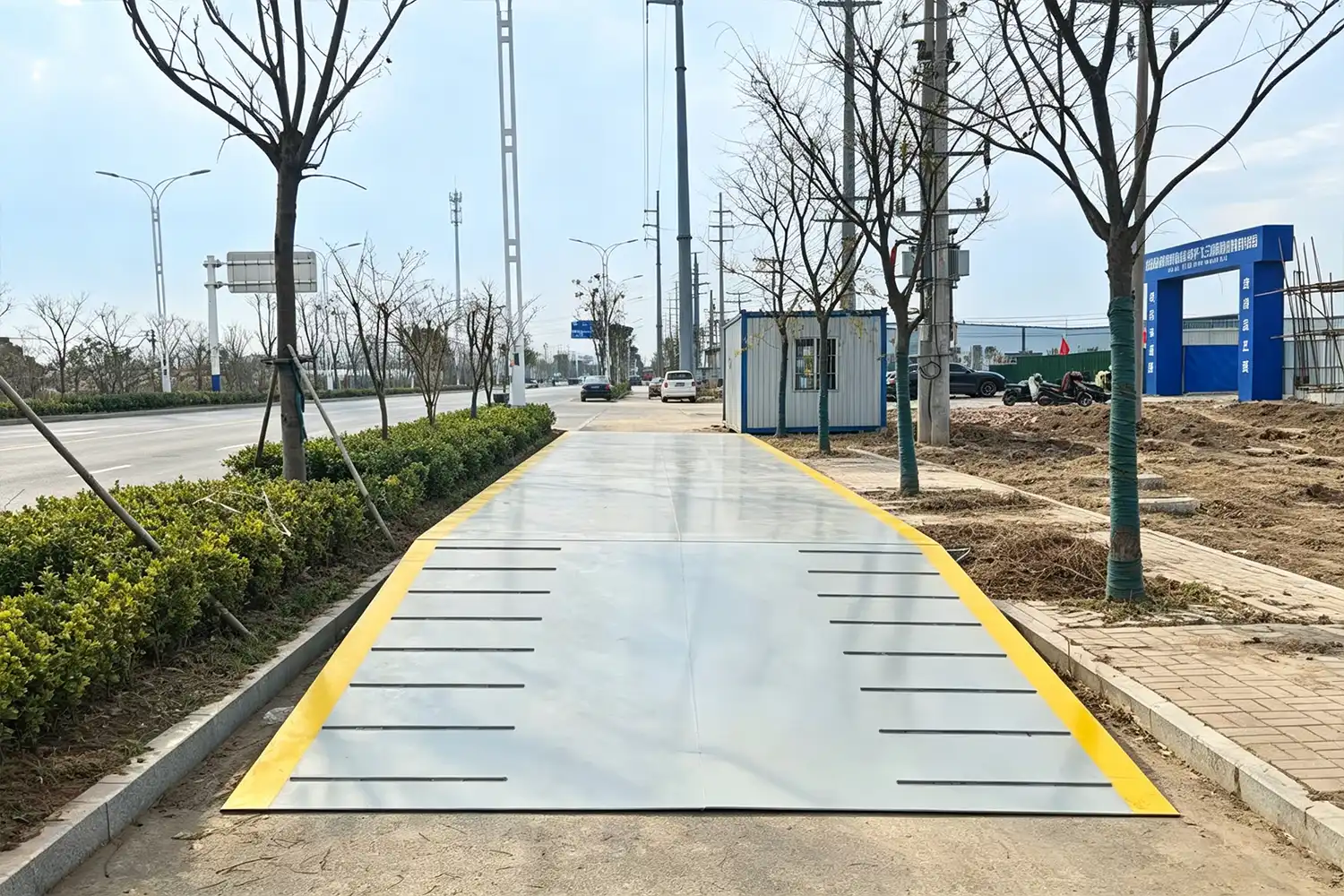
Understanding Commercial Weighbridge Tolerances
Modern commercial truck scales are engineered to deliver exceptional precision even under extreme mechanical stress, dynamic shifting loads, and harsh weather conditions. Legally-for-trade heavy-duty weighbridges typically operate under strict regulatory accuracy classes (such as OIML Class III or NIST Handbook 44). During initial commissioning and routine operation, certified systems maintain operational tolerances within tight margins—often within ±0.1% to ±0.05% of the total applied load.
Dynamic vs. Static Weighing Precision
Achieving consistent accuracy heavily depends on the operational methodology implemented at the facility:
- Static Weighing: The vehicle comes to a complete standstill on the scale deck. This method yields the highest possible accuracy and is standard practice for legal trade settlements, fiscal invoicing, and official bill-of-lading documentation.
- In-Motion (WIM) Weighing: Vehicles cross the platform at low speeds (typically under 10 km/h). While slightly less precise than static weighing due to momentum transfer and suspension bounce, advanced digital signal processing algorithms effectively filter out dynamic noise to maintain acceptable pre-screening tolerances.
Engineering Elements Driving Modern Weighbridge Precision
The high-precision performance of contemporary truck scales is not accidental; it is the result of sophisticated mechanical design and advanced electronic compensation technologies working in unison.
1. Advanced Digital Load Cell Technology
Traditional analog load cells are vulnerable to signal degradation over long cable runs and are easily influenced by electrical noise or temperature fluctuations. Modern high-precision weighbridges deploy microprocessor-embedded **digital load cells** that actively digitize the weight signal directly at the sensor node. These smart cells continuously self-diagnose, compensate for environmental temperature shifts, and report individual corner loads to simplify calibration and fault isolation.
2. Anti-Moment and Deck Restraint Systems
When a 40-tonne semi-truck brakes abruptly or accelerates onto a scale deck, tremendous horizontal forces are generated. Without proper mechanical constraint, these side-loads distort the vertical vector readings of the load cells. Modern engineering incorporates precision check-rods, bumper bolts, and rocker-pin assemblies that allow vertical deflection while completely eliminating lateral shifting, ensuring absolute measurement repeatability.
3. Automated Calibration and Diagnostic Software
Eliminating human error and environmental drift requires intelligent software oversight. Enterprise-grade weighbridge instrumentation features continuous digital monitoring, automated span calibration alerts, and integration with automated loading dock equipment and yard management systems. By cross-referencing multi-point telemetry data, facility managers can detect minor mechanical binding or foundation settling long before it compromises legal-for-trade accuracy.
Optimizing Long-Term Scale Performance
Maintaining high-precision standards over a 15-to-20-year operational lifecycle requires proactive infrastructure maintenance. Routine clearance checks beneath the scale deck, keeping foundation pits free of debris and standing water, and conducting scheduled re-certifications using certified test weights safeguard your capital investment and maintain absolute compliance with global trade regulations.
Request a Quote / Get Expert Assistance
Have questions about our heavy-duty truck scales or industrial weighing solutions? Fill out the form below to get a direct response from our engineering team.