How to Operate a Weighbridge: Standard Procedures vs. Automated Workflows
If you are training new staff on how to operate a weighbridge or researching how to use a truck weigh scale, you already know that manual processes are slow and prone to errors. Understanding how to operate weighbridge systems efficiently is a major priority for logistics and procurement managers. Traditional standard procedures require human clerks, paper tickets, and constant traffic direction. This guide compares those outdated methods with Spire’s automated workflows, demonstrating how upgrading to an unattended weighing system eliminates bottlenecks and secures your profits.
Standard Manual Procedures: The Logistics Bottleneck
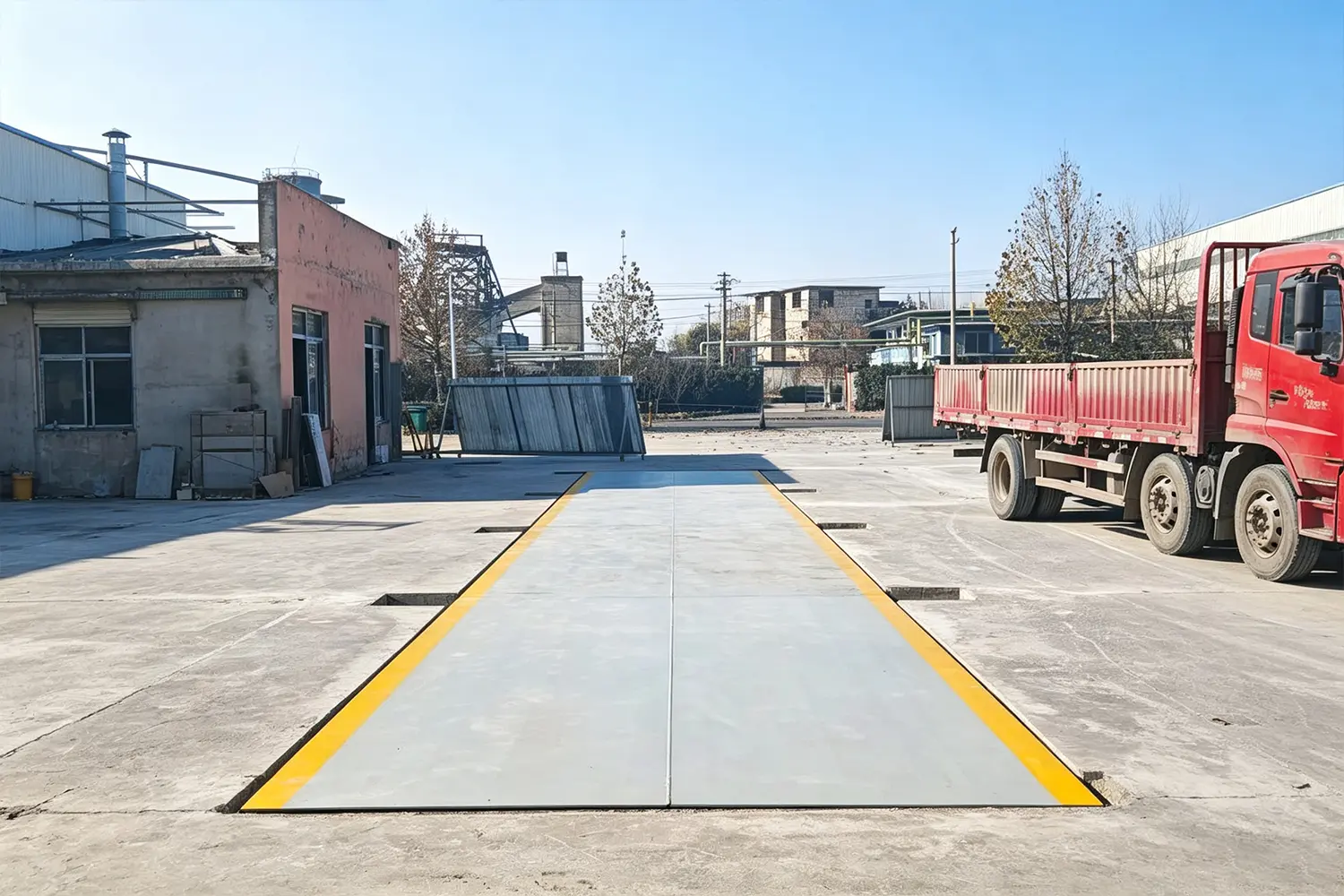
For decades, the answer to how to operate a weighbridge involved a highly labor-intensive process. The primary pain point for facility directors is the sheer amount of time wasted per vehicle. In a standard manual workflow, a truck arrives at the scale, and the driver must completely stop the vehicle. The driver then exits the cab or reaches out the window to hand shipping manifests to the weighbridge clerk.
The Risks of Human Error
The clerk manually types the truck’s license plate, vendor details, and material type into a basic software program. They then capture the gross weight and print a physical ticket. This “itch” of manual data entry is where costly mistakes happen. A simple typo can result in incorrect billing, and the slow processing time causes massive traffic backups in the logistics yard during peak hours.
Automated Workflows: How to Use a Truck Weigh Scale Today
Modern B2B facilities can no longer afford these inefficiencies. The “sweet point” is transitioning to an automated workflow where the system operates itself. When you ask how to operate weighbridge systems equipped with Spire’s technology, the answer is: you let the software do the work.
Spire’s Single-Vehicle Intelligent Workflow
Spire’s Automated Unattended Weighing System (AVS) completely redefines the weighing procedure. Here is how a truck is processed in a Spire-equipped facility:
- Approach & Identification: As the truck approaches, the network waterproof camera instantly captures the license plate via LPR. The system verifies the truck’s identity in milliseconds.
- Traffic Control: The traffic light turns green, and the 3-second standard boom barrier lifts, allowing the truck onto the scale.
- Anti-Fraud Verification: Spire’s photoelectric sensors confirm the truck is perfectly positioned. If a tire is off the edge, the system halts and uses the voice subsystem to instruct the driver to reposition.
- Data Capture & Exit: Once stable, the IPC captures the weight, syncs it with the ERP system, and the exit barrier opens. The driver never leaves the cab.
Maximize Efficiency with Spire AVS
Learning how to operate a weighbridge shouldn’t involve managing a team of clerks and untangling traffic jams. By implementing Spire’s AVS, you eliminate human error, prevent weight fraud, and drastically increase your daily throughput. Reach out to Spire’s engineering team today to transform your standard procedures into a highly profitable automated workflow.
Request a Quote / Get Expert Assistance
Have questions about our heavy-duty truck scales or industrial weighing solutions? Fill out the form below to get a direct response from our engineering team.