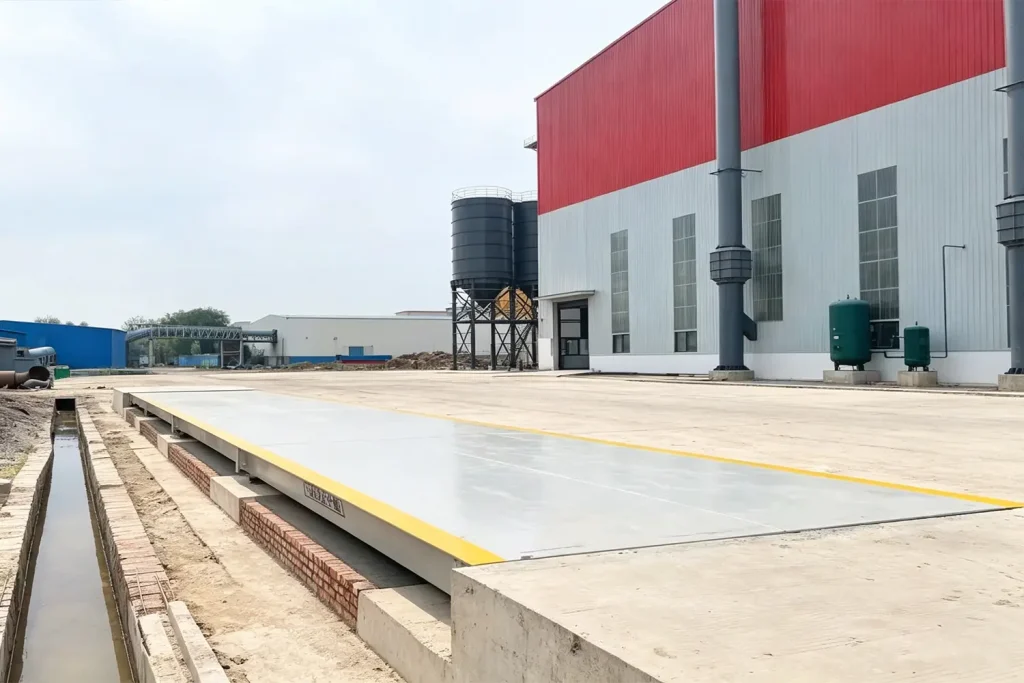
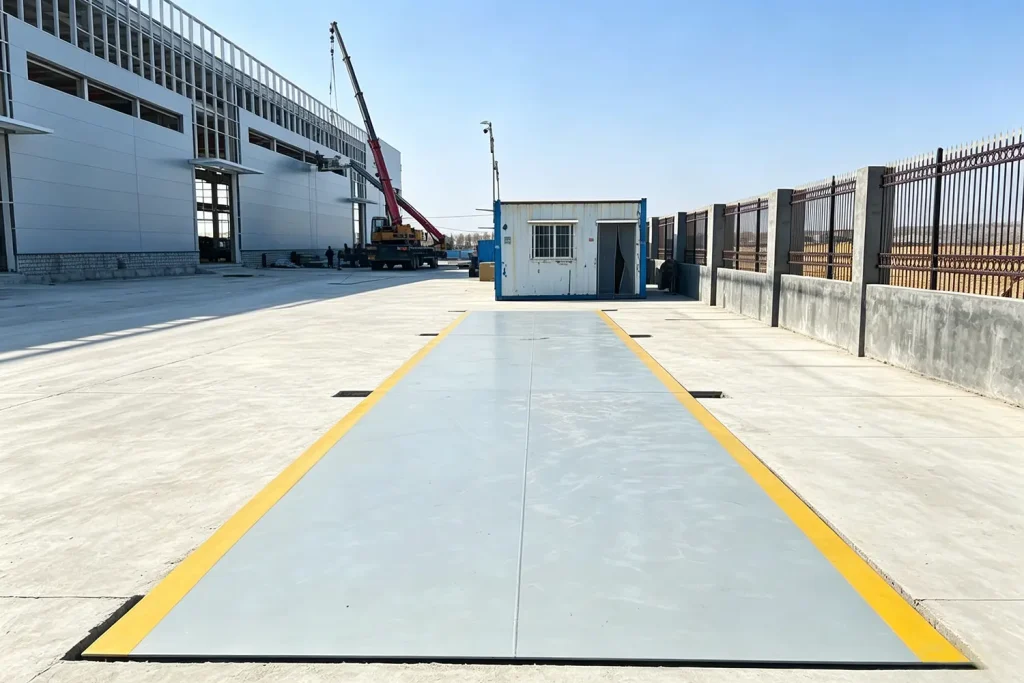
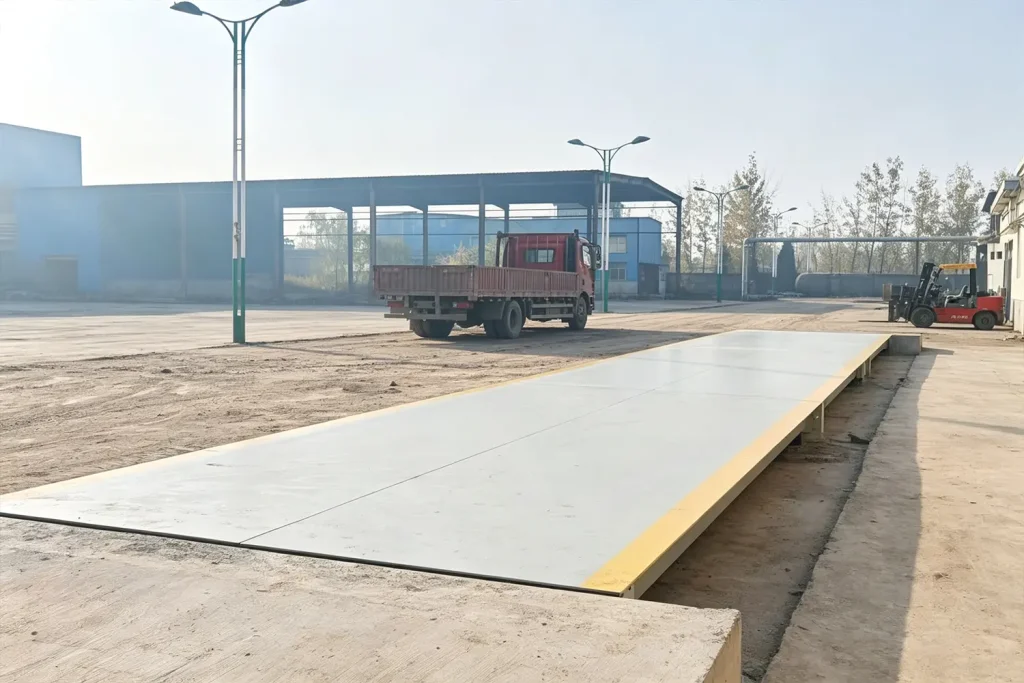
License Plate Recognition (LPR) in Truck Scales: How It Works
Wondering how weighbridge works when integrated with advanced automation? License Plate Recognition (LPR) in truck scales is revolutionizing industrial logistics. If you are exploring how does a virtual weighbridge work, understanding LPR technology is the first crucial step. By utilizing high-definition network waterproof cameras, LPR systems instantly identify vehicles, eliminating manual data entry and severe traffic bottlenecks. This guide explains how LPR seamlessly integrates with automated weighing systems to secure your facility and accelerate throughput.
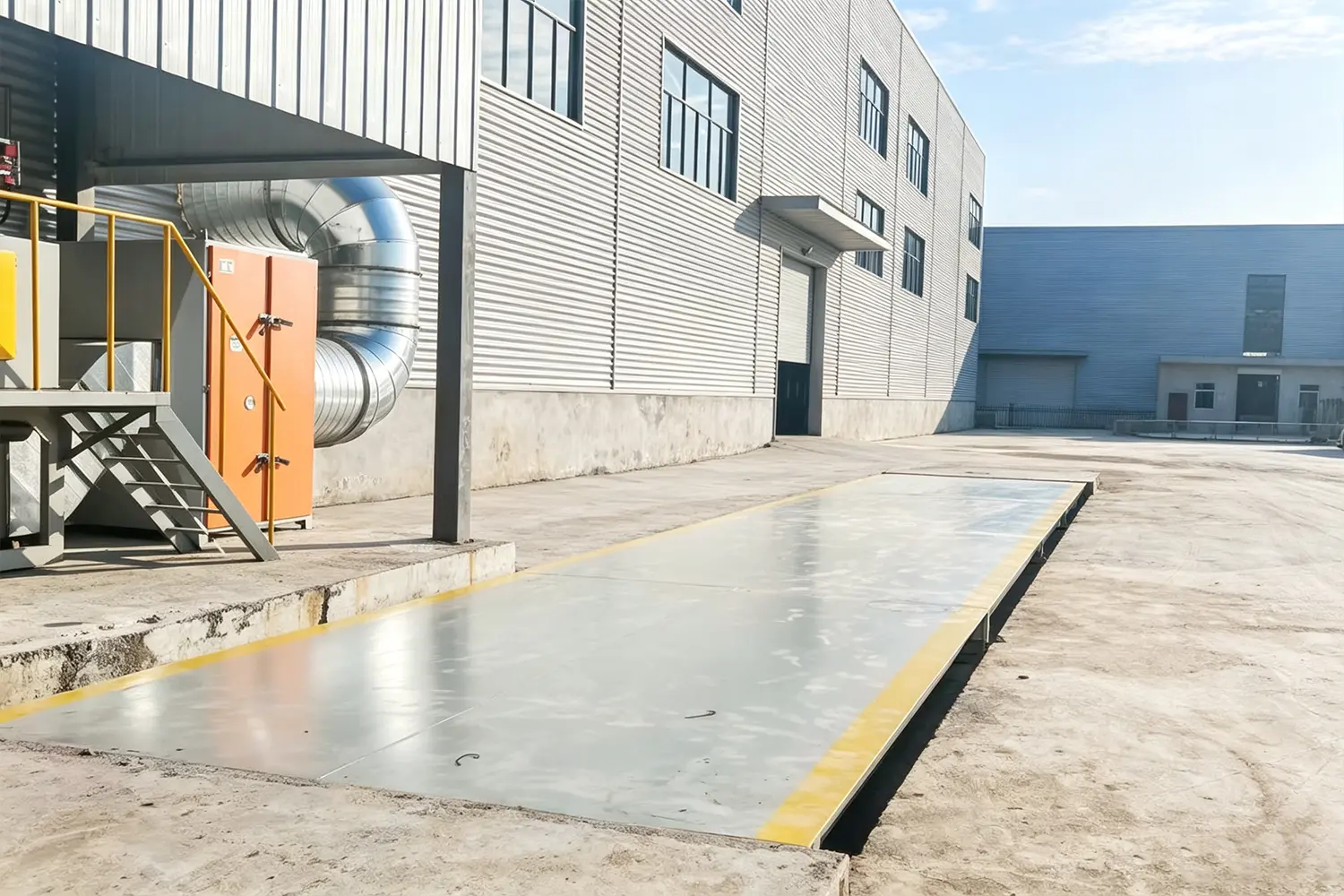
The Pain Point: Manual Identification Slows Down Logistics
For B2B facility managers and logistics directors, the weighbridge is often the biggest choke point in the supply chain. Traditionally, when a truck arrives, the driver must stop, roll down the window, and hand over paperwork to an operator. This manual identification process takes several minutes per vehicle. During peak hours, this creates a massive pain point: long queues of idling trucks, wasted fuel, and delayed production schedules. The “itch” is the constant pressure to process more vehicles without compromising accurate data tracking.
Traffic Bottlenecks and Human Error
Beyond speed, manual entry is highly susceptible to human error. Typing the wrong license plate number means the wrong tare weight is applied, leading to inaccurate billing and inventory discrepancies. To solve this, facilities are moving toward automated identification technologies.
How Does a Virtual Weighbridge Work with LPR?
So, how does a virtual weighbridge work? A virtual weighbridge relies on digital checkpoints rather than human operators. The core of this system is the License Plate Recognition (LPR) subsystem. As a truck approaches the scale, the system automatically detects its presence and initiates the identification protocol.
Network Waterproof Cameras in Action
Industrial environments are harsh, which is why Spire utilizes specialized network waterproof cameras. These high-definition cameras are strategically mounted to capture clear images of the front and rear license plates, regardless of rain, dust, or low-light conditions. The camera uses optical character recognition (OCR) algorithms to read the plate in milliseconds.
Real-Time Database Cross-Referencing
Once the plate is read, the data is instantly sent to the Industrial PC (IPC). The system cross-references the license plate with the facility’s database to verify the truck’s registration, vendor details, and historical tare weight. If the vehicle is authorized, the system proceeds to the next step of the weighing process.
How Weighbridge Works in Spire’s Unattended System
Understanding how weighbridge works in a fully automated environment reveals the true “sweet point” for procurement managers. Spire’s Automated Unattended Weighing System (AVS) combines LPR with other smart hardware to create a seamless workflow.
The Sweet Point: Seamless Automation and Security
When the LPR camera identifies the truck, Spire’s AVS automatically triggers the traffic indicator lights and the 3-second rapid boom barrier, allowing the truck onto the scale. Simultaneously, the photoelectric sensor subsystem ensures the truck is perfectly positioned to prevent weight fraud. Once the weight is stable, the voice subsystem announces the successful transaction, and the exit barrier opens. No paperwork, no operators, and zero delays. Contact Spire today to upgrade your facility with state-of-the-art LPR weighbridge technology.
Request a Quote / Get Expert Assistance
Have questions about our heavy-duty truck scales or industrial weighing solutions? Fill out the form below to get a direct response from our engineering team.