Why Your Weighbridge Needs Photoelectric Sensors to Stop Positioning Fraud
Wondering how accurate are truck scales when drivers know how to manipulate weighbridge positioning? Positioning fraud is a massive pain point for industrial facilities. Discover why your weighbridge needs photoelectric sensors to stop cheating, ensure accurate weighing, and protect your bottom line.
The Reality of Weighbridge Manipulation
For procurement managers and facility operators, the accuracy of inbound and outbound freight is non-negotiable. However, even the most highly calibrated load cells cannot compensate for human deception. If you are relying solely on a scale operator’s visual confirmation, your facility is highly vulnerable to positioning fraud, leading to severe inventory shrinkage and financial loss.
How Drivers Manipulate Weighbridge Positioning
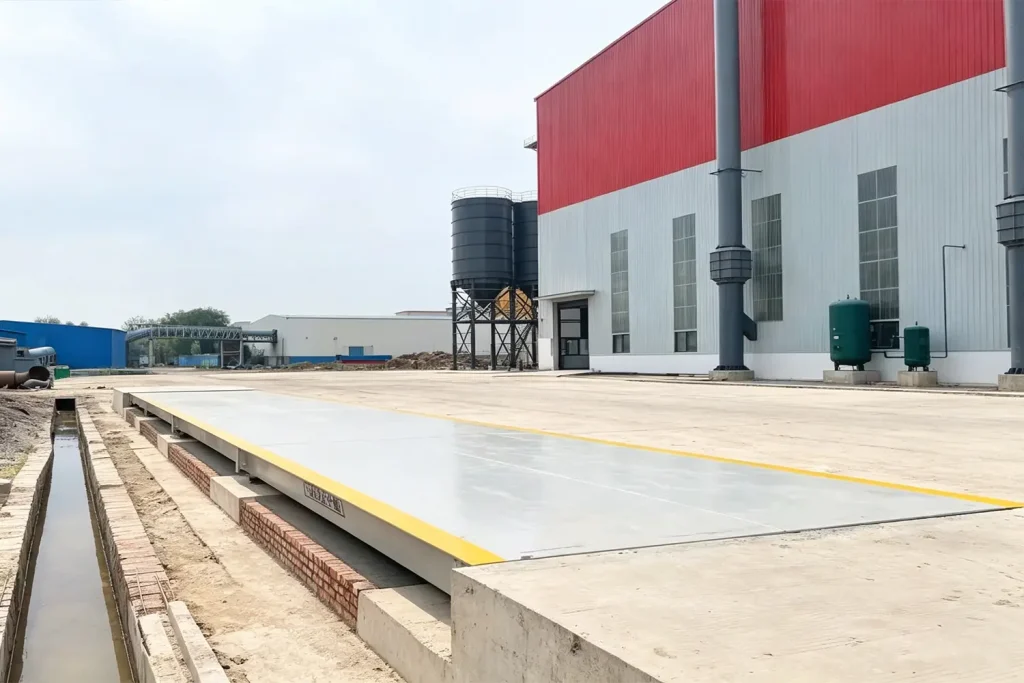
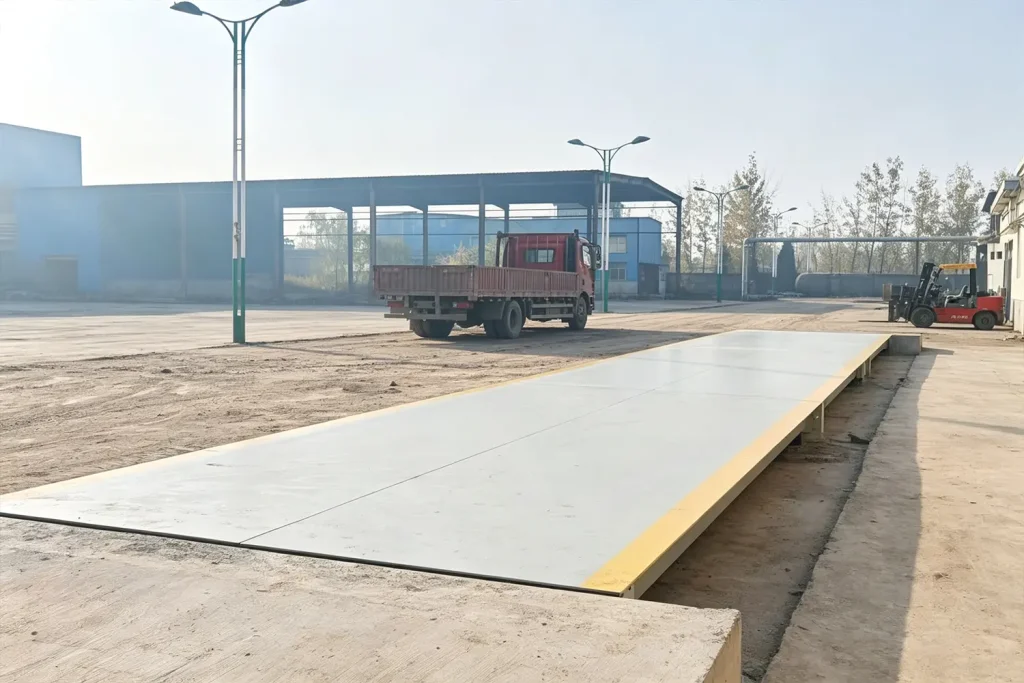
When bad actors figure out how to manipulate weighbridge readings, they typically use the “off-scale” or “tire-bridging” method. By intentionally parking with the rear axle slightly off the scale deck, or by resting a tire on the concrete foundation rather than the active weighing platform, the gross weight is artificially reduced. Conversely, during a tare weight reading, a driver might have a second vehicle press against the scale to inflate the empty weight. These subtle maneuvers are nearly impossible to catch with the naked eye, especially during high-traffic periods.
How Accurate Are Truck Scales Without Sensor Protection?
You might ask, how accurate are truck scales under normal conditions? While modern digital load cells are incredibly precise, their accuracy is entirely dependent on the load being fully and exclusively supported by the scale deck. Without physical safeguards, your high-precision equipment is easily defeated by simple driver maneuvers.
The Hidden Costs of Inaccurate Weighing
The pain point here is not just the immediate loss of product. Inaccurate weighing leads to inventory discrepancies, disrupted production schedules, and strained relationships with honest vendors. The “itch” for plant managers is that nagging suspicion that weights are off, but lacking the concrete evidence to confront the drivers or transport companies.
The Spire Solution: Photoelectric Sensor Subsystems
To completely eradicate positioning fraud, Spire integrates an advanced Photoelectric Sensor Subsystem into its Automated Unattended Weighing System. This technology shifts the burden of verification from human operators to infallible optical sensors.
How Photoelectric Sensors Work
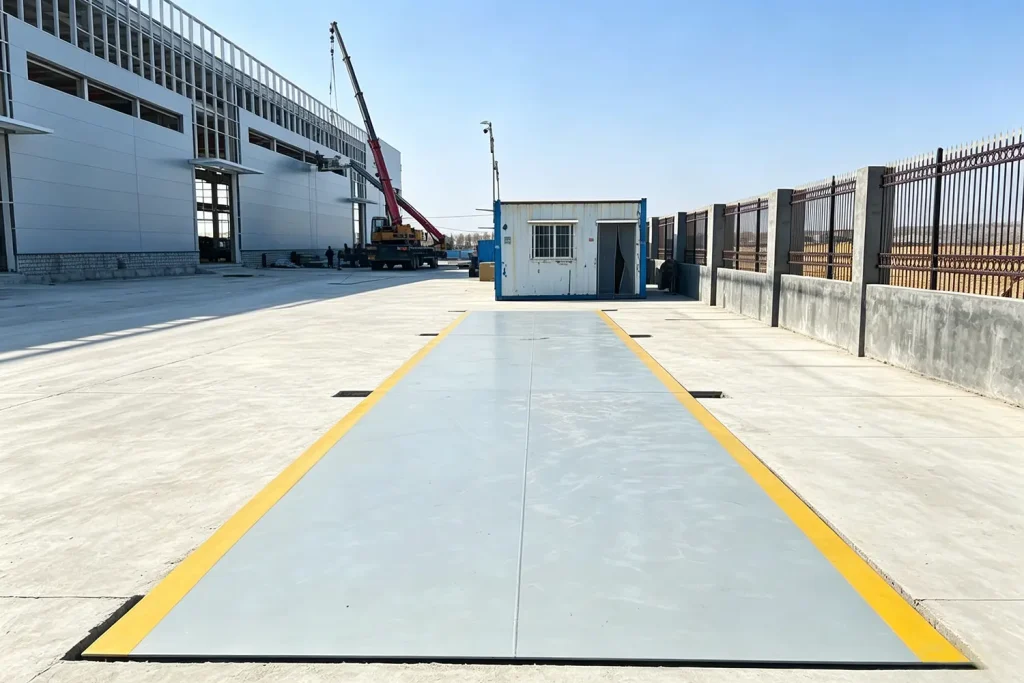
Spire installs high-intensity infrared photoelectric beams at both the entrance and exit edges of the weighbridge. When a truck drives onto the scale, it must clear these beams completely. If a vehicle’s tire or bumper breaks the infrared beam—indicating that the truck is not fully positioned on the active weighing area—the system’s safety protocol is triggered.
Integration with Automated Unattended Systems
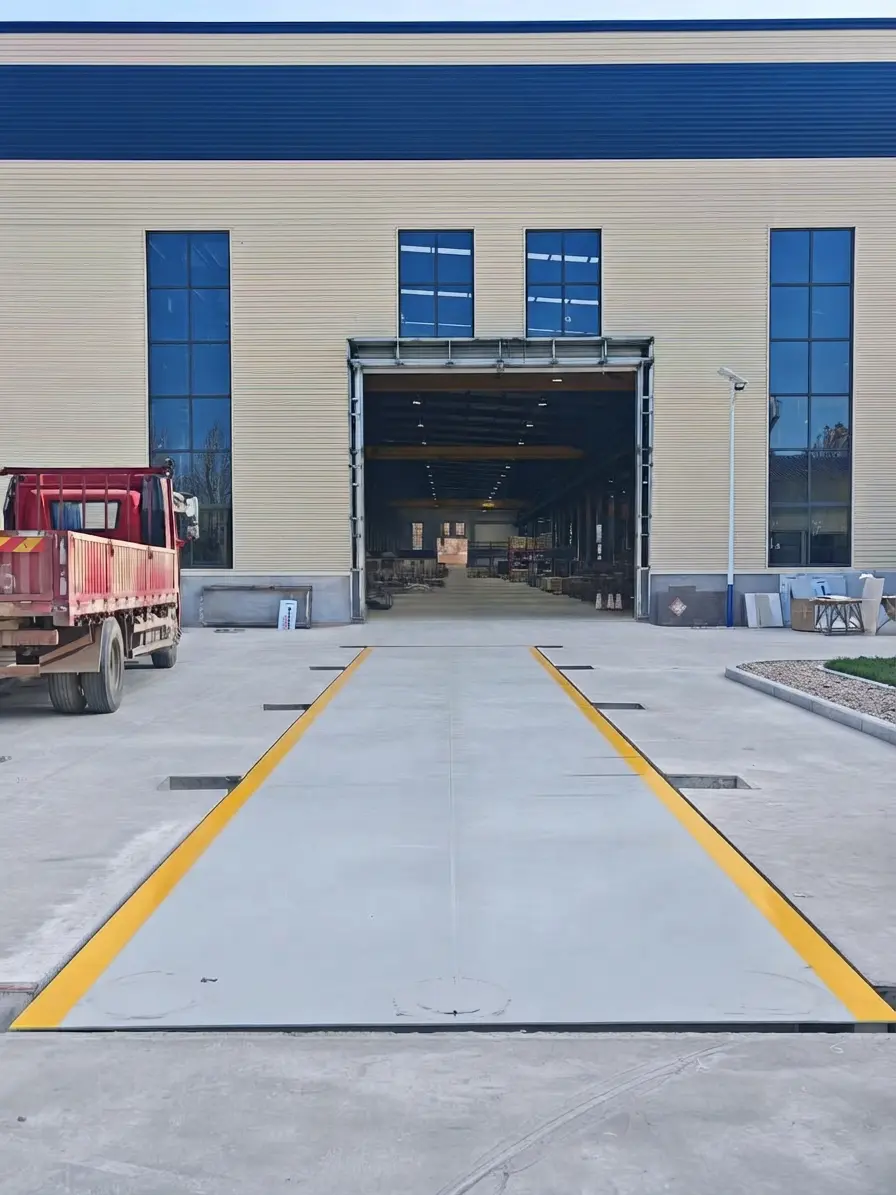
This is where the “sweet point” for facility managers lies. When the photoelectric sensor detects an anomaly, the Spire Automated Weighing System (AVS) instantly locks the weighing process. The software refuses to capture the weight, the voice subsystem alerts the driver to reposition the vehicle, and the boom barrier remains down. The weight data is only recorded when the truck is 100% correctly positioned, ensuring absolute data integrity without requiring a human confrontation.
Secure Your Weighing Operations Today
Don’t let positioning fraud eat into your profit margins. By upgrading to Spire’s intelligent weighbridge solutions, you guarantee that every transaction is accurate, secure, and fully automated. Contact our engineering team today to learn how easily photoelectric sensors can be integrated into your existing truck scale.
Request a Quote / Get Expert Assistance
Have questions about our heavy-duty truck scales or industrial weighing solutions? Fill out the form below to get a direct response from our engineering team.