How Do Truck Scales Work? Inside the Mechanics and Electronics
Are you wondering how do truck scales work or how does a weighbridge work to ensure accurate billing? Understanding how does a truck scale work is essential for facility managers looking to upgrade their logistics infrastructure. At its core, a weighbridge combines heavy-duty mechanical steel decks with highly sensitive electronic load cells to measure massive loads. This guide takes you inside the mechanics and electronics of modern truck scales and explains how Spire’s IoT architecture elevates traditional weighing into a fully automated, data-driven process.
The Core Mechanics: Steel Decks and Foundations
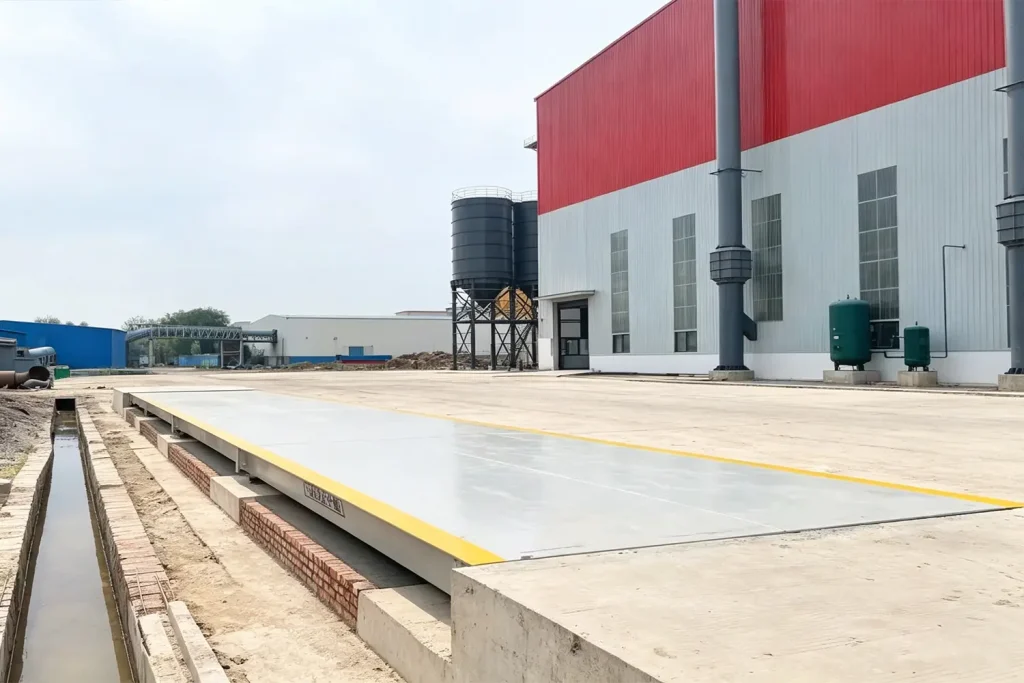
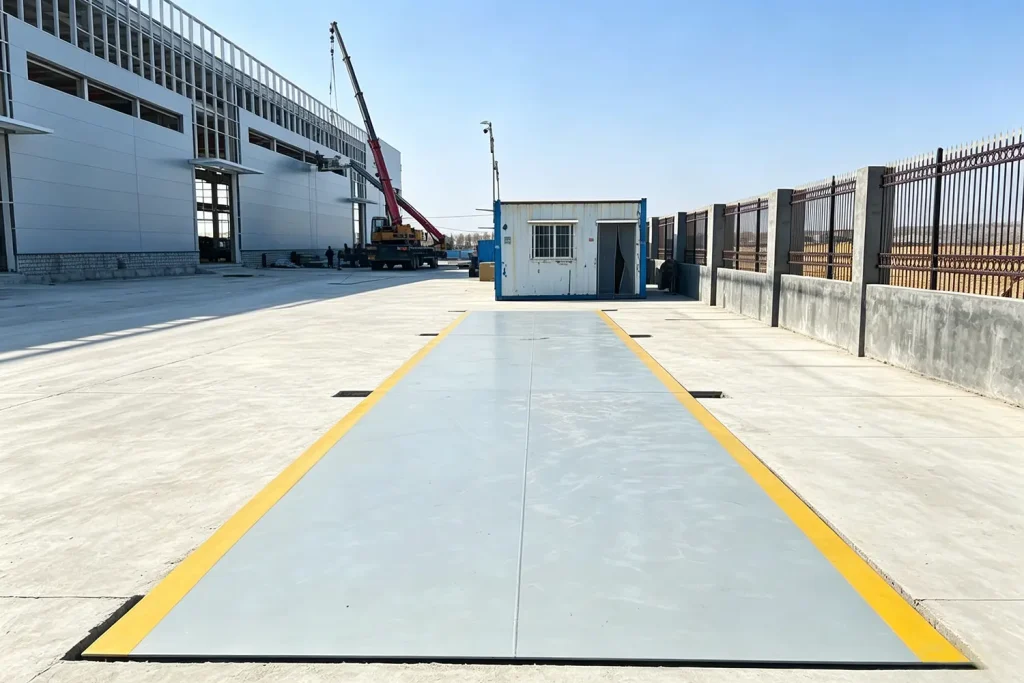
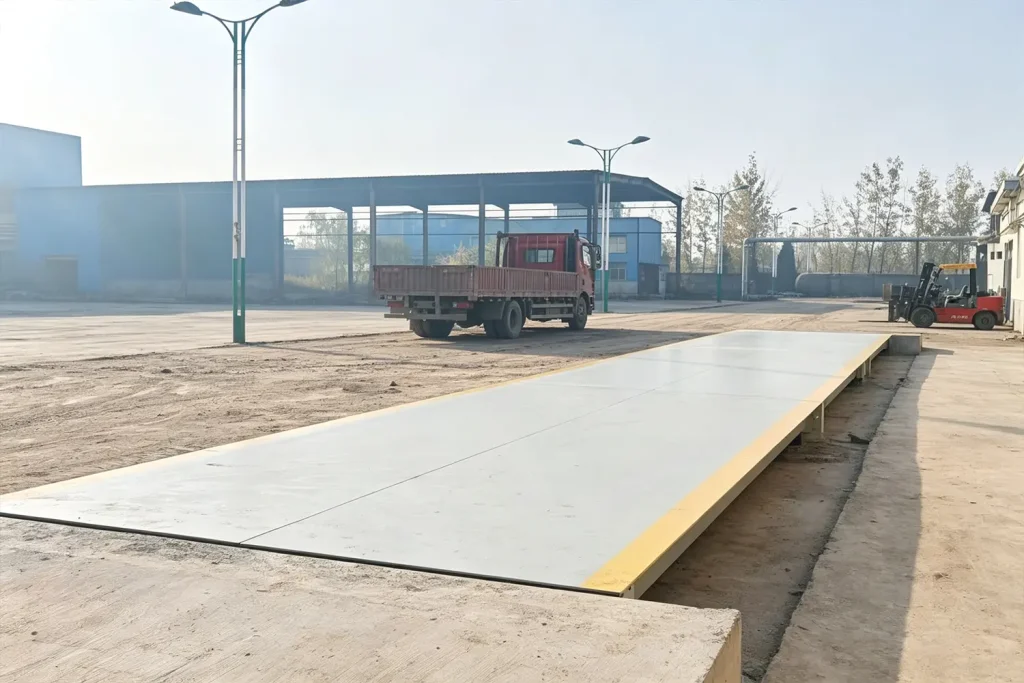
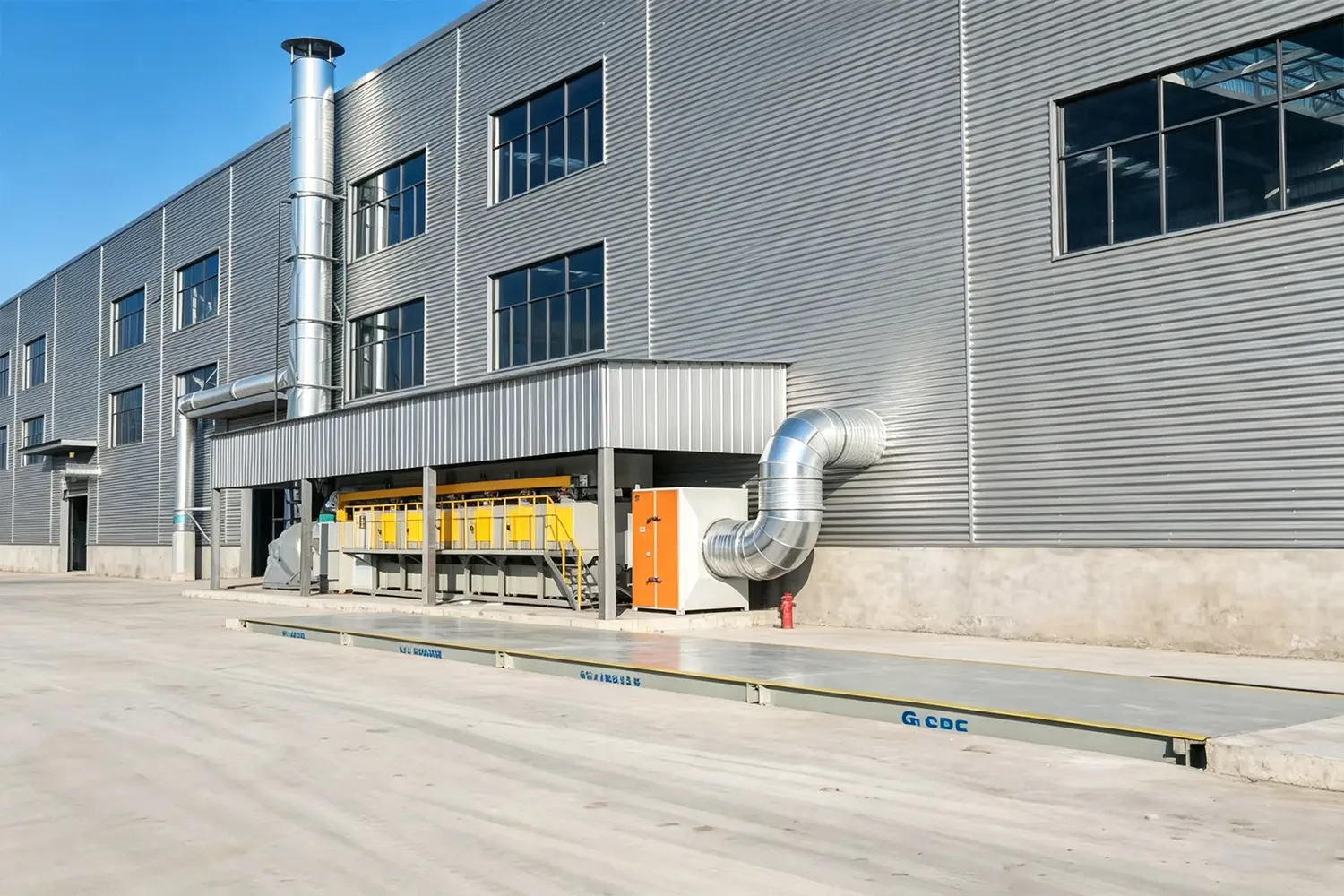
For procurement managers, the physical durability of a truck scale is a primary concern. The pain point is investing in a system that warps or degrades under the constant stress of 80-ton vehicles. The mechanical foundation of a weighbridge consists of a reinforced steel or concrete deck supported by a robust foundation. When a truck drives onto the platform, the mechanical structure evenly distributes the immense weight across several critical measurement points.
The Role of Load Cells
So, exactly how do truck scales work to convert physical weight into digital data? The secret lies in the load cells. Positioned under the scale deck, load cells are highly precise transducers. When the steel deck compresses under the weight of a truck, the strain gauges inside the load cells deform slightly. This microscopic deformation alters the electrical resistance within the gauge, generating an electrical signal that is directly proportional to the weight of the truck.
The Electronics: Junction Boxes and Indicators
The “itch” for maintenance teams often revolves around electronic troubleshooting. In a standard setup, the electrical signals from multiple load cells (usually 6 to 10 per scale) travel via heavy-duty cables to a junction box. The junction box aggregates these signals and sends a unified output to the digital indicator in the scale house, which translates the voltage into a readable weight value.
Analog vs. Digital Systems
Older analog systems are highly susceptible to moisture, temperature changes, and electromagnetic interference, leading to inaccurate readings. Modern facilities use digital load cells, which convert the analog signal to a digital output right at the sensor. This ensures maximum accuracy and allows the system to instantly identify a failing load cell before it impacts your billing.
Spire’s IoT Architecture: The Sweet Point of Automation
Understanding how does a weighbridge work today goes beyond basic mechanics. The “sweet point” for B2B buyers is Spire’s integration of IoT (Internet of Things) technology. Spire replaces the traditional standalone indicator with an Industrial PC (IPC) and the Automated Weighing System (AVS).
A Fully Connected Ecosystem
In Spire’s architecture, the scale doesn’t just weigh; it thinks. The IPC processes the digital weight data while simultaneously communicating with License Plate Recognition (LPR) cameras and photoelectric anti-fraud sensors. This IoT ecosystem ensures that the mechanics and electronics work in perfect harmony without human intervention. Contact Spire today to upgrade your mechanical scale into a smart, automated weighbridge.
Request a Quote / Get Expert Assistance
Have questions about our heavy-duty truck scales or industrial weighing solutions? Fill out the form below to get a direct response from our engineering team.